Source Snow Tire Options for ATVs, Trucks, and Winter Roads
Find 30 snow tire listings suitable for ATVs, light trucks, and winter road conditions. Compare radial and inner tube designs, rubber materials, and OEM customization options to identify the right fit for your fleet or retail needs.
Key considerations
Products List


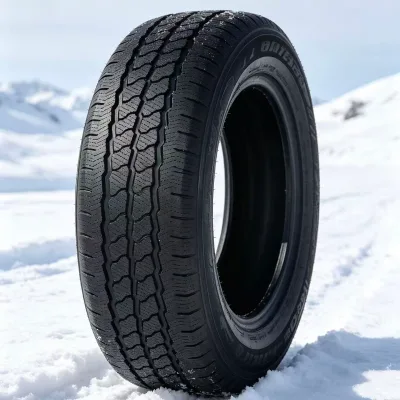

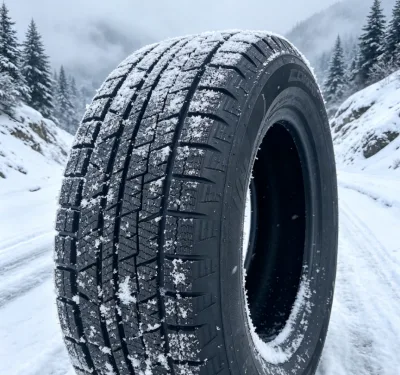
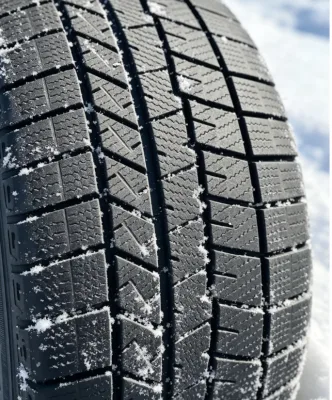
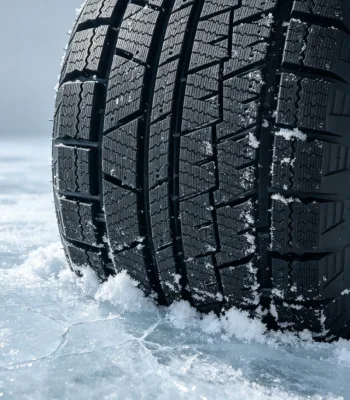





Comprehensive Sourcing Guide
Snow Tire Sourcing Guide
Sourcing snow tires requires a disciplined approach that balances seasonal performance demands with rigorous supply chain verification. Buyers must recognize that "snow tire" is a broad category encompassing specialized all-terrain ATV tires, passenger car PCR tires, and heavy-duty winter variants, each with distinct manufacturing requirements. The procurement strategy must begin with a clear definition of the end-use environment, whether it involves off-road recreational vehicles, light passenger transport, or commercial fleets operating in extreme cold. Understanding these distinctions is critical because the material composition, tread pattern, and structural integrity required for a 21x7-10 ATV tire differ significantly from those of a 285/60R18 radial PCR tire.
This guide provides evidence-based procurement advice derived from observed market listings and trusted industry knowledge. It focuses on the technical, commercial, and compliance aspects of sourcing snow tires, ensuring that buyers can navigate supplier claims with skepticism and verify product attributes against actual performance needs. The guidance avoids speculative pricing or unverified supplier recommendations, instead offering a framework for evaluating product scope, technical specifications, and long-term supplier reliability. By adhering to these principles, procurement teams can mitigate risks associated with seasonal demand spikes and ensure that the tires delivered meet the specific climatic and operational requirements of their target markets.
Product Scope and Observed Listing Signals
The current market landscape for snow tires reveals a diverse range of product types, from specialized off-road ATV tires to standard passenger car PCR tires. Observed listings indicate that manufacturers offer customization options, allowing buyers to tailor products to specific vehicle models, such as 6-inch kid ATVs or larger all-terrain vehicles. The product scope extends to various sizes, including 21x7-10 for ATVs and 285/60R18 for passenger vehicles, with some suppliers offering radial designs and others focusing on specific tread patterns like the "Butterfly" pattern. This variety suggests that buyers must carefully match the tire type to their end-user’s vehicle specifications, as a one-size-fits-all approach is rarely viable in the snow tire segment.
Listing signals also highlight the importance of material quality and seasonal specialization. Many suppliers emphasize the use of natural rubber and high-quality rubber compounds designed to maintain flexibility in freezing temperatures, a critical factor for snow tire performance. Some products are explicitly marketed as "Winter Snow Ice Tires" or "Snow Tyres," indicating a focus on cold-weather traction. Additionally, the presence of inner tubes as a separate product category suggests that some buyers may require replacement parts or specialized tube-type tires for older or specific off-road vehicle models. Buyers should interpret these signals as indicators of a mature supply chain capable of supporting both new tire installations and maintenance needs.
Technical Specifications to Verify
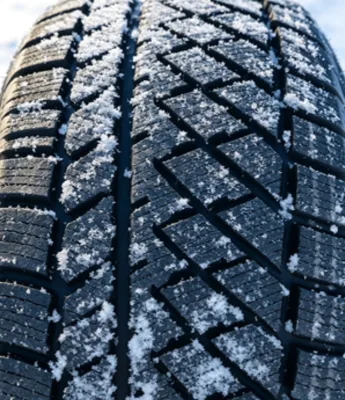
Technical verification is paramount when sourcing snow tires, as performance in snow and ice depends heavily on precise dimensional and structural attributes. Buyers must verify the rim size, width, and overall diameter to ensure compatibility with the target vehicle. For instance, a tire specified as 285/60R18 requires an 18-inch rim, while ATV tires like the 21x7-10 model have distinct dimensional requirements. The tread pattern is another critical specification; buyers should confirm whether the pattern is designed for deep snow, ice, or mixed conditions, as patterns like the "Butterfly" design may offer specific traction benefits. Additionally, the tire construction, whether radial or bias-ply, should be verified, as radial tires generally offer better handling and heat dissipation, which is crucial for winter driving conditions.
Material composition and weight are also key technical factors that influence tire performance and logistics. The use of natural rubber is often cited as a quality indicator, as it provides better elasticity and cold-weather flexibility compared to synthetic alternatives. Buyers should request material data sheets to confirm the rubber compound’s silica content and other additives that enhance grip on slippery surfaces. Furthermore, the gross weight of the tire, which can range from 2.6kg for smaller ATV tires to 15.0kg for larger PCR tires, impacts shipping costs and handling requirements. Verifying these specifications ensures that the tires not only fit the vehicle but also perform reliably in the intended winter conditions.
Compliance and Safety Documentation
Compliance with international and regional safety standards is non-negotiable for snow tire procurement. Buyers must ensure that suppliers provide valid certifications such as CCC, DOT, CE, and ISO9001, which indicate adherence to quality management and safety regulations. The DOT certification, for example, is essential for tires sold in the United States, while CE marking is required for the European market. These certifications serve as proof that the tires have undergone rigorous testing for durability, traction, and safety. Buyers should request copies of these certificates and verify their validity with the issuing bodies to avoid sourcing non-compliant products that could lead to legal liabilities or safety hazards.
In addition to certifications, buyers should inquire about specific test results and quality warranties. A one-year quality warranty is a common offering, indicating the supplier’s confidence in the product’s durability. However, buyers should also ask for detailed test reports, including snow traction tests, ice braking performance, and wear resistance data. These documents provide objective evidence of the tire’s performance capabilities and help buyers make informed decisions. It is also important to verify that the tires meet the specific standards of the destination country, as regulations can vary significantly between regions. Ensuring compliance with all relevant standards protects the buyer from potential recalls and enhances customer trust.
Cost Drivers and Commercial Terms
The cost of snow tires is influenced by several factors, including material prices, manufacturing complexity, and order volume. Observed price ranges vary widely, from $9.8 to $850, reflecting the diversity of products from small ATV tires to large PCR tires. Buyers should understand that higher prices often correlate with better material quality, such as the use of natural rubber, and more advanced tread designs. Additionally, customization options, such as specific branding or unique tread patterns, can increase costs. It is essential for buyers to request detailed quotations that break down costs by material, labor, and overhead, allowing for a transparent comparison between suppliers.
Commercial terms, including MOQ, payment conditions, and lead times, also play a significant role in the total cost of ownership. MOQs can range from 4 pieces for inner tubes to 1500 pieces for bulk tire orders, affecting inventory management and cash flow. Payment terms, such as a 30% deposit, are common, but buyers should negotiate favorable terms to mitigate financial risk. Lead times, typically ranging from 7 to 15 days, must be factored into the procurement schedule to ensure timely delivery before the winter season. Buyers should also consider shipping costs, which can be substantial due to the weight and volume of tires, and explore options for consolidated shipping to reduce expenses.
Supplier Qualification and Quality Control
Supplier qualification is a critical step in ensuring the reliability and consistency of snow tire supplies. Buyers should conduct thorough due diligence on potential suppliers, verifying their production capabilities, quality control processes, and financial stability. Suppliers located in regions like Zhejiang and Shandong in China are common sources, but buyers should not rely solely on geographic origin. Instead, they should request factory audits or third-party inspections to assess the supplier’s manufacturing environment and quality management systems. This due diligence helps identify suppliers who are capable of meeting the high standards required for snow tire production.
Quality control measures should be integrated into the procurement process to ensure that the tires delivered meet the specified requirements. Buyers should establish clear quality acceptance criteria, including dimensional tolerances, material composition, and visual inspection standards. Regular quality checks during production and before shipment can help identify and rectify defects early, reducing the risk of receiving substandard products. Additionally, buyers should maintain open communication with suppliers to address any quality issues promptly and ensure continuous improvement. By implementing robust quality control measures, buyers can protect their brand reputation and ensure customer satisfaction.
Long-Term Procurement Checks
Long-term procurement success depends on establishing a sustainable and resilient supply chain for snow tires. Buyers should regularly review supplier performance metrics, including on-time delivery rates, product quality, and responsiveness to issues. This ongoing evaluation helps identify potential risks and opportunities for improvement, allowing buyers to make data-driven decisions about their supplier base. It is also important to stay informed about market trends, such as changes in material costs or regulatory requirements, to anticipate and mitigate potential disruptions. By maintaining a proactive approach to supply chain management, buyers can ensure a steady supply of high-quality snow tires.
Building strong relationships with suppliers is another key aspect of long-term procurement. Collaborative partnerships can lead to better pricing, priority production, and access to new product innovations. Buyers should engage in regular communication with suppliers, sharing feedback and discussing future needs to foster mutual trust and cooperation. Additionally, buyers should consider diversifying their supplier base to reduce dependency on a single source and enhance supply chain resilience. By focusing on long-term relationships and strategic planning, buyers can secure a competitive advantage in the snow tire market and meet the evolving needs of their customers.
FAQs
What certifications do the snow tires have?
The snow tires carry CCC, DOT, ISO, CE, and ISO9001 certifications. These standards ensure the products meet international safety and quality requirements for various markets and vehicle types.
Can I get customized snow tire specifications?
Yes, customization is available for these tires. Buyers can request specific patterns like the butterfly design or adjust dimensions such as 21x7-10 to match their specific ATV or vehicle needs.
What is the minimum order quantity for snow tires?
The minimum order quantity varies by product type, ranging from 4 pieces for inner tubes to 50 pieces for specific tire models. Some bulk orders may require up to 1500 units depending on the supplier.
How long is the delivery time for snow tires?
The typical delivery time is between 7 to 15 days after order confirmation. This lead time applies to standard orders and may vary based on the specific product model and current production capacity.
Which materials are used to make these snow tires?
These tires are manufactured using natural rubber and general rubber materials. The composition ensures durability and performance in winter conditions while maintaining flexibility for various terrain types.
What is the origin of these snow tire products?
The products originate from China, specifically from provinces like Zhejiang and Shandong. This location allows for efficient manufacturing and logistics to support international B2B sourcing requirements.